
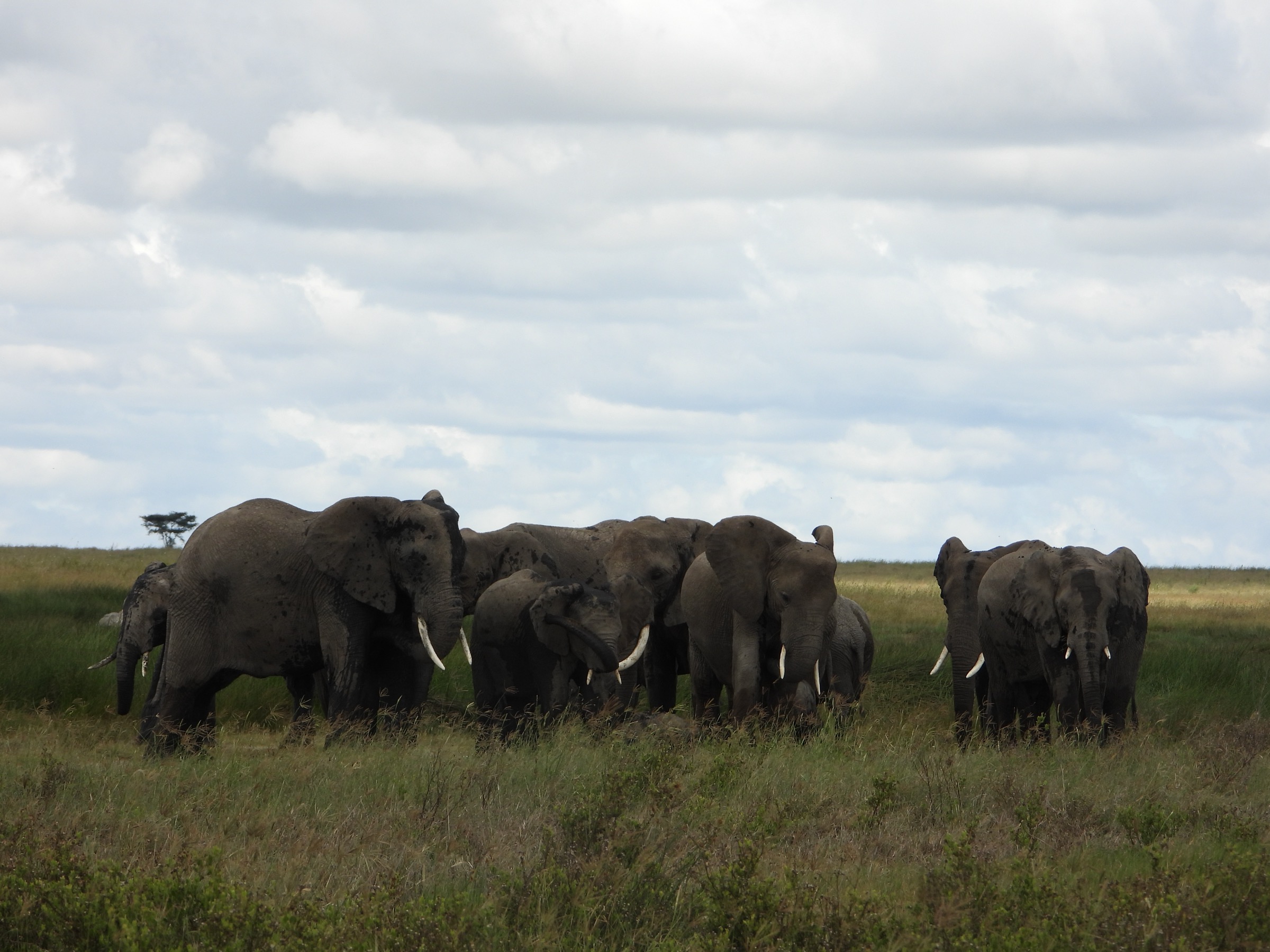
When the 1993 drought hit Tarangire, two herds led by older matriarchs walked their families to safety. The third, led by a younger female, didn't. A story of memory as survival.
In the vast, sun-blistered landscapes of Tanzania, when the rivers shrink to dusty scars and the grasslands turn to the sound of crunch underfoot, a quiet drama unfolds. The herds begin to move. At the front walks an elder female — grey, weathered, and magnificent. Her ears may be torn from years of thorns and battles, her tusks worn smooth, but her steps are certain. She carries within her something more powerful than physical strength: an internal cognitive map of water and survival, passed down through generations. This is the matriarch, the wise heart of the elephant family.
Elephant society is proudly matriarchal. Family groups of mothers, daughters, sisters, aunts and calves rely entirely on the leadership of the oldest and most experienced female. While younger elephants know the rhythms of a good season, it is the matriarch who remembers the harsh anomalies — the droughts that tested the land decades earlier.
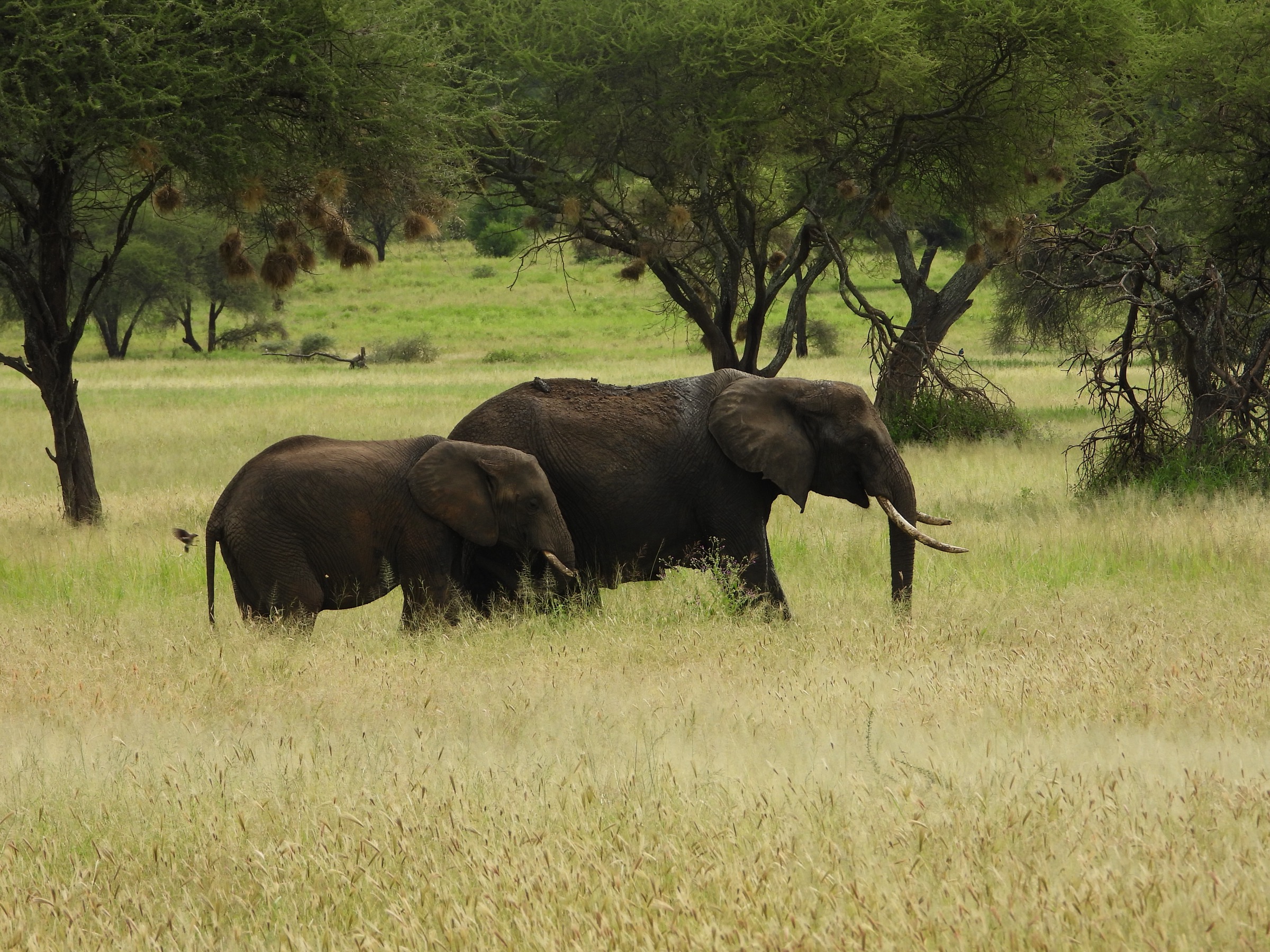
This is not folklore. It is rooted in advanced cognitive biology. Elephants possess an exceptionally large, highly developed brain, with a hippocampus that facilitates long-term spatial memory. In arid environments, elephants can pinpoint waterholes up to 50 kilometres away without immediate sensory cues. When resources disappear, an experienced matriarch draws upon this mental map to guide her family across vast distances — directly to alternate forage, seasonal rivers, or remote pans that younger generations have never seen.
When the rains failed
The real-world stakes of this cognitive ability became starkly evident during a landmark study conducted by the Wildlife Conservation Society and the Zoological Society of London. In 1993, Tanzania's Tarangire National Park ecosystem endured one of the most severe droughts in 35 years. For nine long, rainless months, vegetation withered and standing water vanished entirely from regular dry-season refugia.
Across the elephant family groups tracked in the study, calf mortality soared from a normal annual baseline of 2% up to a devastating 20% — sixteen out of eighty-one calves lost. The impact was not felt equally across the herds.
The 1993 Tarangire study · Nine months, no rain
Three Herds
Wildlife Conservation Society · Zoological Society of London · 1993 – 1994 study
The critical variable was history. The older matriarchs had lived through Tanzania's severe 1958–1961 drought as calves themselves, embedding irreplaceable survival routes into memory. The 33-year-old matriarch, a product of the heavy poaching waves of the 1970s and 1980s that systematically targeted older, large-tusked elephants, had no living memory of the previous trauma. She simply did not know where else to go.
The corridor
She teaches as she leads.
When elder females lead their herds to safety, they do not wander aimlessly. They travel along ancient highways — traditional migratory corridors worn deep into the earth over centuries, sometimes millennia. In northern Tanzania, these pathways form an ecological lifeline, linking Tarangire National Park to the Simanjiro Plains, connecting to Lake Manyara, and stretching toward larger, contiguous ecosystems.
The herds walk in near-single file, massive feet compressing the soil into enduring routes subsequent generations will follow. The matriarch doesn't rely on landmarks the way humans do. She draws on a rich sensory world and a shared collective knowledge — and she teaches as she leads. Young elephants memorise these corridors by following her, cementing the coordinates into the family's next generation of leaders.
What we lose with her
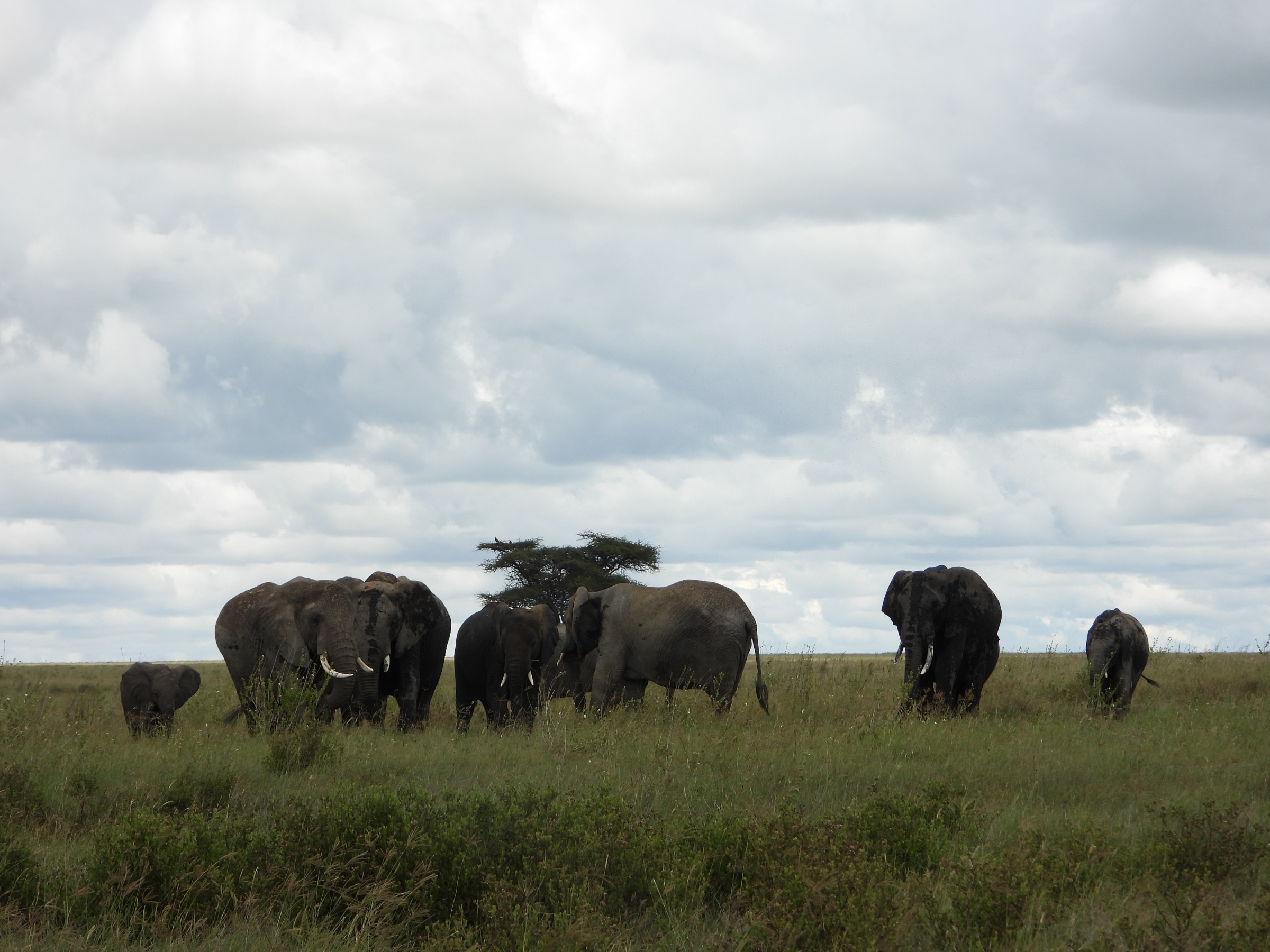
This wisdom is fragile. Poaching and human-wildlife conflict continue to disproportionately target older elephants due to their larger tusks, effectively wiping out the living libraries of the savanna.
Research from Amboseli National Park in Kenya confirms that family groups with older matriarchs consistently use significantly larger home ranges during droughts because they know exactly how to exploit alternative resources. A matriarch is also the family's social anchor. Studies show that herds led by a 55-year-old matriarch can accurately distinguish a familiar elephant's rumble from a potential threat. Herds led by a 35-year-old matriarch struggle to do so, leaving them more vulnerable.
When a matriarch is killed, the social structure fractures and the family is left leaderless. Without the ancient maps stored in the minds of these elder females, future generations are left vulnerable in an increasingly unpredictable climate. The protection of these majestic matriarchs is paramount to the long-term resilience of the species.