
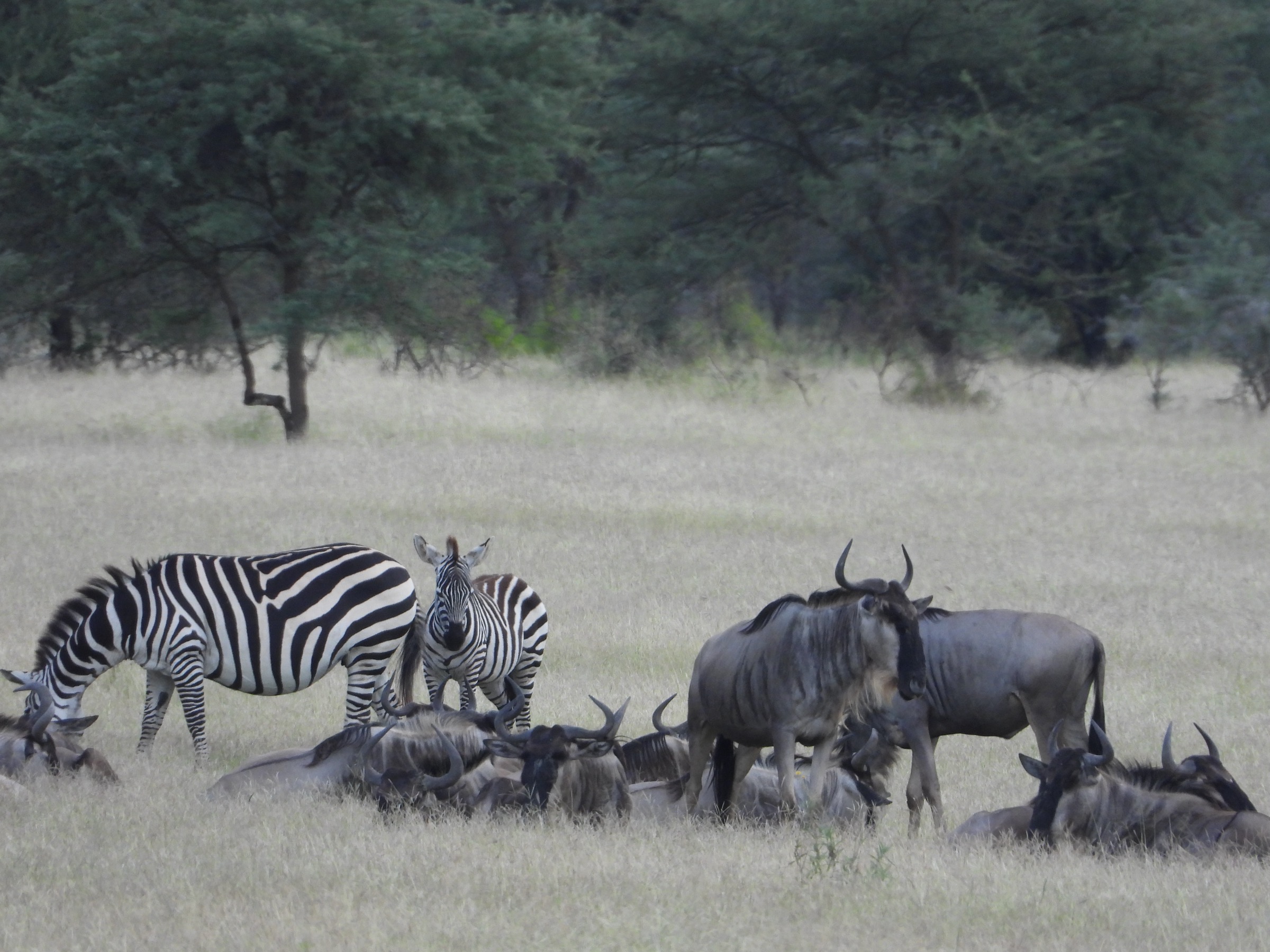
Safari is not a zoo. It is an ecosystem where the animals owe you nothing. The quieter, more patient, and more observant you become, the more the bush reveals.
If you're heading out on your first safari, it's completely normal to feel a mix of excitement and anticipation. You've likely seen the photographs, heard the stories filling your feed, and now you're about to experience it for yourself. But before you set off, it helps to understand one thing early on: safari works a little differently than you perhaps might expect it to.
Unlike a zoo or wildlife park, you are entering an ecosystem where animals are entirely free to behave as they choose. There is no schedule, no absolute guarantee of sightings, no performance waiting behind curtains to commence an act. Every encounter is earned through patience, respect, and observation. Think of this as a practical guide to safari etiquette, helping you get the most out of your time in places like the Serengeti, Tarangire National Park, and beyond.
Let the bush be heard
One of the first things you'll notice on safari is the soundscape.
Or rather, the absence of unnecessary sound.
Wildlife is incredibly sensitive to noise, and even subtle changes in volume can influence behaviour. Speaking softly, or sometimes choosing not to speak at all, allows moments to unfold naturally. Often, the quieter the vehicle, the richer the experience becomes.
Around elephants in particular, this matters enormously. They are exceptionally perceptive, responding not only to sound but also to movement and energy. A calm, quiet presence creates a completely different kind of encounter, one that feels mutual rather than intrusive.
It's difficult to explain until you've experienced it yourself. A loud conversation or sudden movement can prompt a herd to bunch together, flap their ears as an early warning, or quietly move away from the vehicle altogether. The goal is never simply to see wildlife, but to allow wildlife to remain comfortable enough to continue behaving naturally.
Trust your guide
Your guide plays a central role in every sighting.
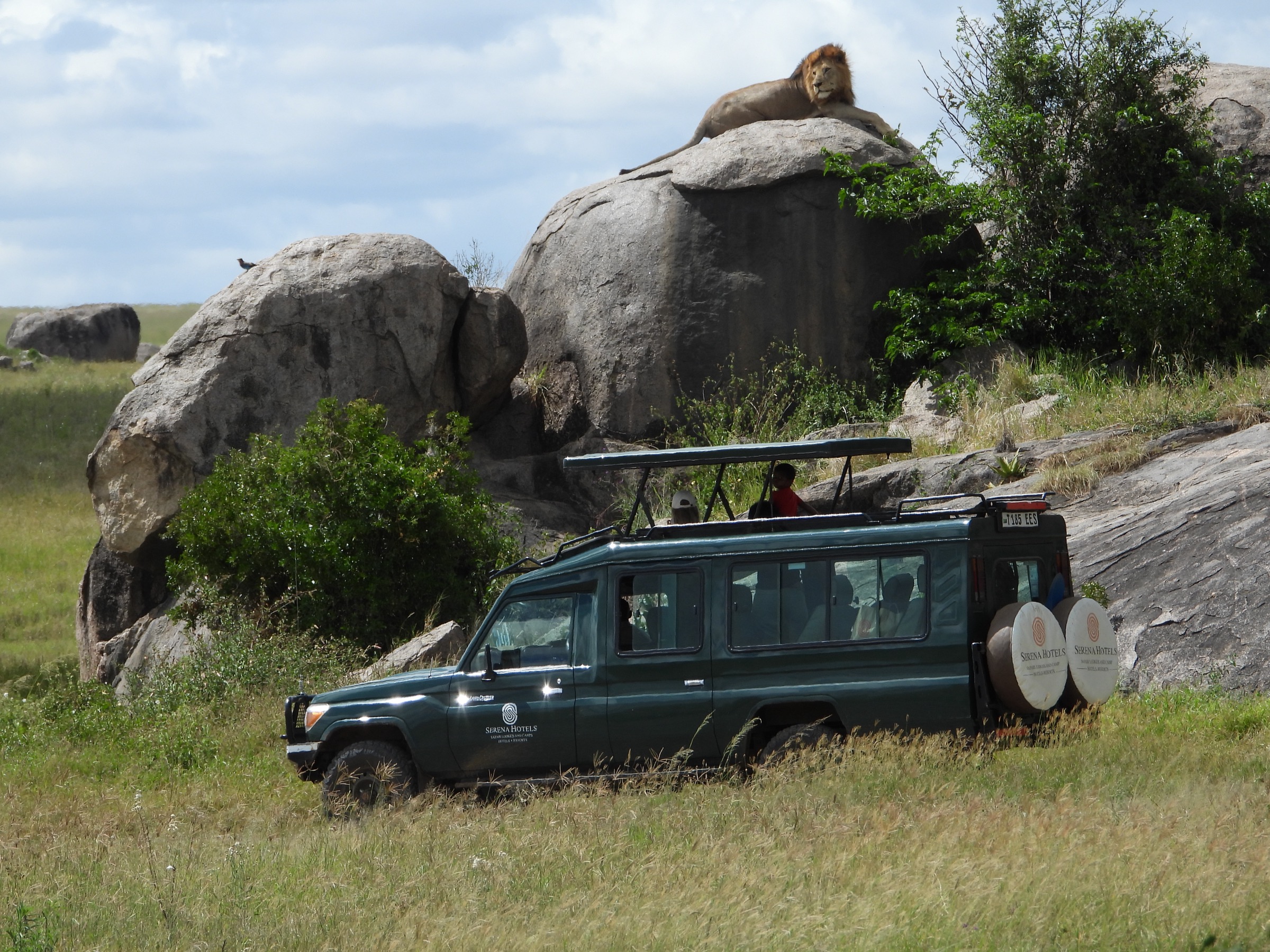
Positioning a safari vehicle is not simply about getting close. It involves reading an animal's comfort level, predicting its direction of movement, understanding wind, light, terrain, and anticipating how a situation may develop several minutes ahead.
It can be tempting to suggest moving forward for a better photograph or a clearer angle, but experienced guides are often deliberately holding position. Giving animals space frequently leads to better sightings than attempting to approach more closely.
The best safari guides aren't chasing wildlife, they're reading it.
Observe, don't influence
There can be a natural temptation to encourage an animal to look your way. A whistle. A click. A clap.
Resist it.
The essence of safari lies in observing behaviour as it already exists, not creating behaviour for the sake of a photograph. The most memorable sightings are often the ones that unfold entirely on their own. A lion lifting its head after hearing distant hyenas, a leopard choosing to descend from a tree, an elephant calmly acknowledging your presence before returning to feed.
These moments are meaningful precisely because they weren't prompted by us.
Protect the soundscape
Technology can quietly change the atmosphere without us realising. The atmosphere for the animals, for your own group, and for other groups passing by.
Playing music, watching videos, leaving phones on loudspeaker, or allowing camera shutter sounds to dominate all interrupt the natural rhythm of the bush. Instead, allow yourself to become immersed in its own soundtrack: the wind moving through grass, birds calling overhead, distant alarm calls, insects, and the quiet rustle of movement that often signals wildlife long before you see it.
Many experienced safari-goers will tell you that some of their strongest memories aren't visual at all, they're auditory.
Leave no trace
Every safari guest shares a responsibility to leave the landscape exactly as they found it.
Nothing should be taken from the bush, whether feathers, bones, plants, or stones. Equally, nothing should be left behind. Even biodegradable food scraps introduce unnatural scents and behaviours into an ecosystem.
These seemingly small choices protect the integrity of the environment and ensure future visitors experience the same wild places in their natural state.
Patience is often rewarded
Perhaps the greatest lesson safari teaches is patience.
The bush rarely reveals itself all at once in a singular, dazzling display. It unfolds the more you come to understand it. A landscape that appears empty can transform within minutes. Guides will often stop for long periods with apparently very little happening because experience tells them that something may be about to unfold.
Some of the most extraordinary sightings begin with almost nothing. A distant alarm call, oxpeckers suddenly taking flight, baboons staring into the trees, or a subtle change in the behaviour of impala.
The longer you remain present, the more these details begin to tell a story.
Share the experience
Safari is often a shared experience, and a little awareness goes a long way.
Be mindful of others in your vehicle. Rotate seats if appropriate, avoid standing unexpectedly when someone is photographing wildlife, and keep conversations considerate when another guest is quietly observing.
Some moments are best enjoyed collectively rather than individually.
Keep an open mind
Perhaps most importantly, arrive without expectations.
Not every game drive will unfold in the same way. Some will be dramatic. Others will be quieter and more insightful, revealing the smaller interactions that make an ecosystem function. You may spend an hour watching elephants feed, twenty minutes following dung beetles across a track, or an afternoon observing giraffes do little more than browse acacia leaves.
None of these experiences are lesser.
When approached with curiosity, safari stops becoming about ticking species off a list and begins to reveal something much richer. You become less concerned with collecting sightings and more interested in understanding behaviour, relationships, landscapes, and the remarkable balance that holds them together.
Done well, safari etiquette is about far more than following rules. It is about becoming a respectful participant in one of the world's last great wild places. The quieter, more patient, and more observant you become, the more the bush begins to reveal itself.