
Safari Stories
What Makes a Good Safari Sighting?
Out on safari in Tanzania, we often talk about wildlife sightings as if they’re measurable, quantifiable in their quality. How many lions? How close did the elephant come? Did the leopard stay in the tree long enough for a photo? But the truth is, many times you’ll find that a good safari sighting has very little to do with numbers. It’s the feeling that you are witnessing something unaltered. You are not the centre of it. You have had no effect on it. You are simply there, witnessing it.
Your guide has gone quiet. Not out of habit, but intention. They’re reading the landscape, tracks pressed into mud, the posture of impalas, the direction of the wind. There’s a story here, and you’re being gently guided into it. A stillness suddenly settles, a sudden hush, everyone instinctively senses something is about to unfold, a certain electricity fills the air. This feeling of suspense and anticipation during a safari game drive is often unrivalled, even compared to the chase itself.
Of course, there are the moments themselves, this, we don’t deny. It is important first to note that a good safari sighting varies from person to person. A lion lifts its head, her intense gaze catching the light. A herd of elephants crosses slowly, calves tucked safely between them. A leopard, draped over a branch, barely acknowledges your presence. But to us, what makes a wildlife sighting truly good is not proximity or spectacle, but the sense that what is unravelling around you is utterly and completely separate from you, and yet, in some paradoxical way, a core part of you. The natural world from whence we all came, a pace and way of being intended to be felt in our bones. It forms a sharp and tangible observation of how animals go about their day to day, unencumbered by the trials and tribulations of our own human lives.
This forms a humbling perspective of what it means to be human. In a way so far detached, yet connected, to these natural ecosystems playing out in their own separate timelines. For some travellers, a good safari sighting is their first. For others, it’s the rarest. But often, the most meaningful wildlife encounters are the quiet ones that stir an emotion, for whatever reason, it will make sense to you.
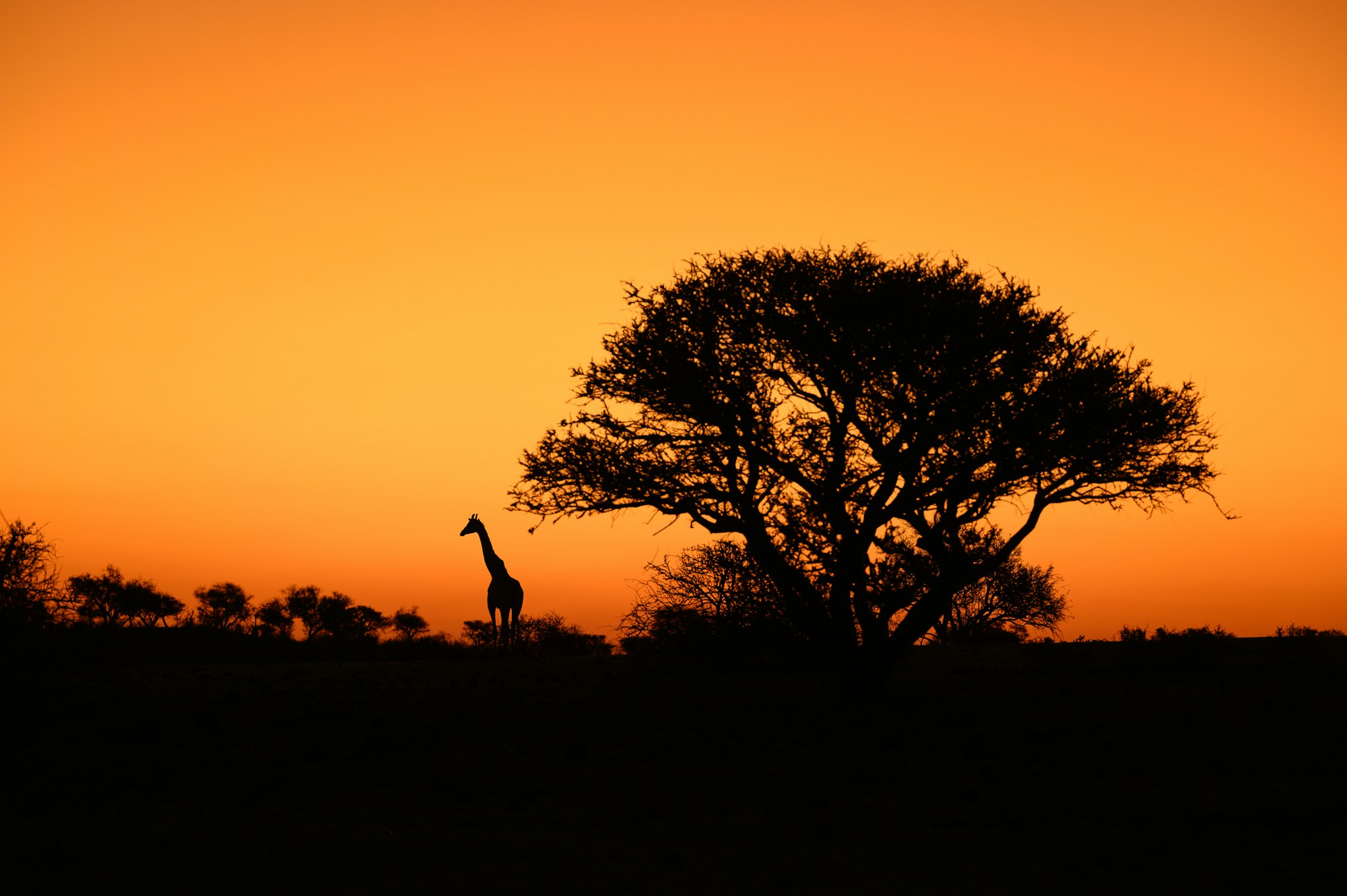
Watching giraffes move like animated silhouettes across the horizon. Listening to the enchanting and somewhat unsettling giggles and whoops from hyena somewhere nearby and feeling the hair raise on the back of your neck. Sitting with a single elephant as it feeds, unbothered, unhurried. You can see she is a mother, and whilst feeding, you notice her protective glances towards her young calf who weaves between her legs and scampers about the herd hidden somewhere beyond sight in the bushes.
These are the moments that stay. Not because they were dramatic, but because they were real. Karibu Camps & Lodges’s approach to luxury safari experiences has always been rooted in this understanding: that luxury is not just the comfort you’ll find back at camp, but space. Space to sit longer. To wait. To not chase. To understand.
Luxury is not just the comfort you’ll find back at camp, but space. Space to sit longer. To wait. To not chase. To understand.
A good safari sighting is also shaped by the people you’re with. A guide who knows when to speak, and when not to. A shared glance between travellers when something extraordinary unfolds. The quiet respect that settles over the vehicle when everyone understands the privilege of the moment. There is a kind of unspoken connection that forms out there. Between strangers, between guide and guest, between human and wild. It’s not orchestrated, it simply happens.
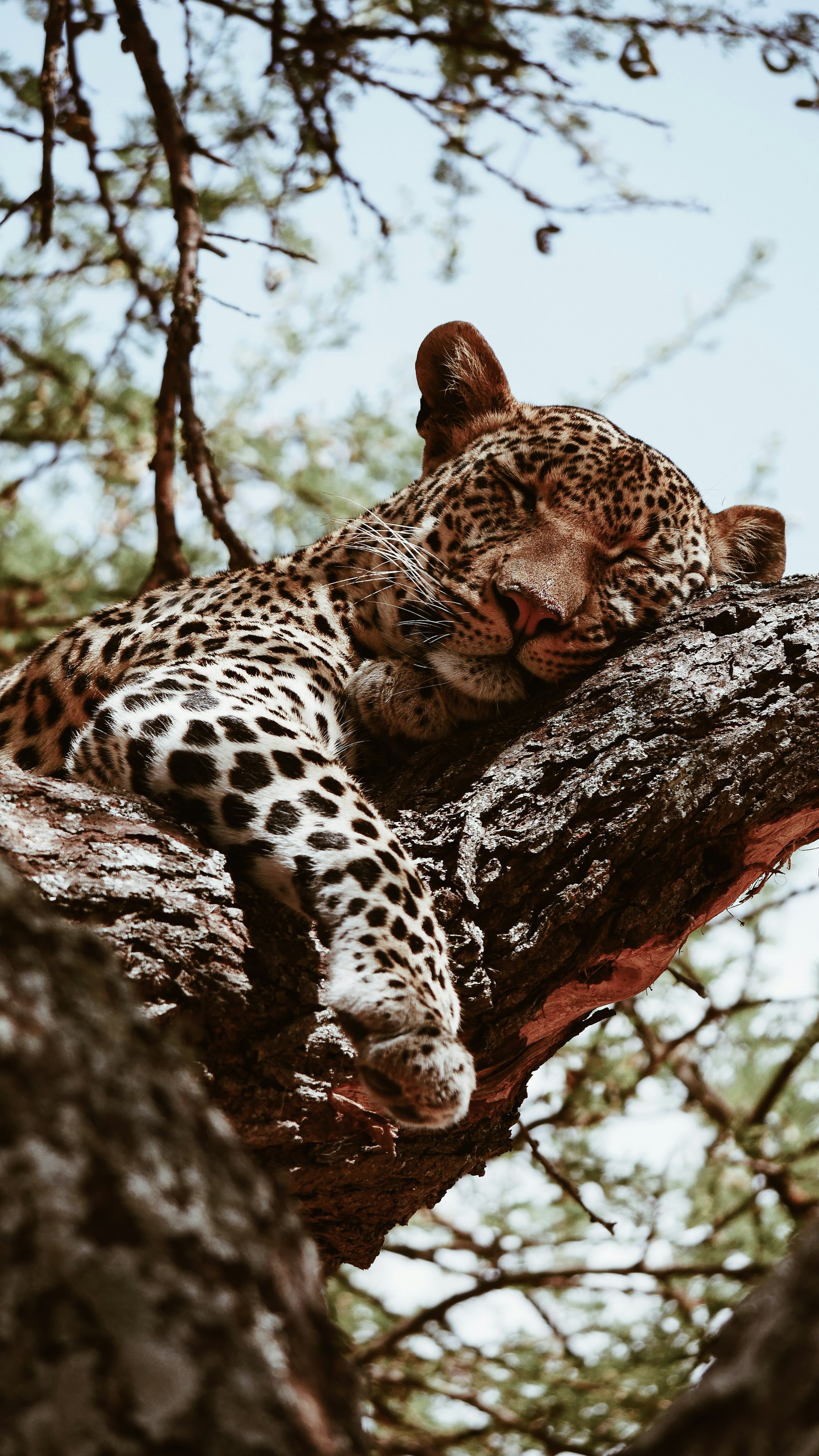
Back at camp, as the day softens into evening, the story is retold, not in numbers, but in feeling.
“Did you see how still everything was?”, “Did you notice the way she looked at us?”, “Did you notice how she was protecting her cub?”, “Did you feel it?”
In places like the Serengeti National Park and Tarangire National Park, wildlife sightings are not rare. But good safari sightings, those are something else entirely and you’ll know you’re having one, for lack of a clearer way to put it, when you feel it.